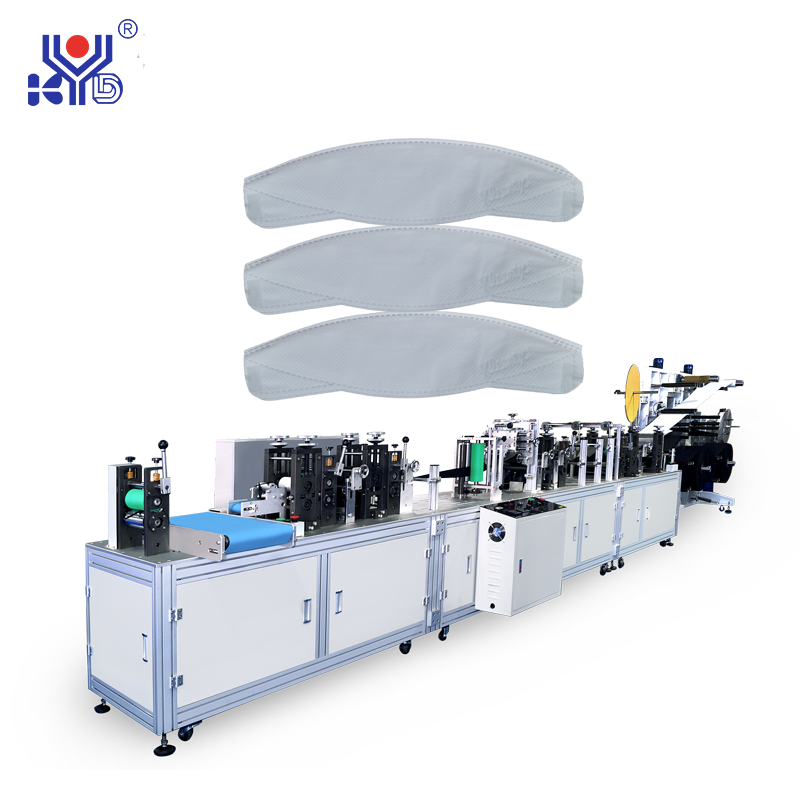
Mask machine manufacturers teach you to buy dust masks
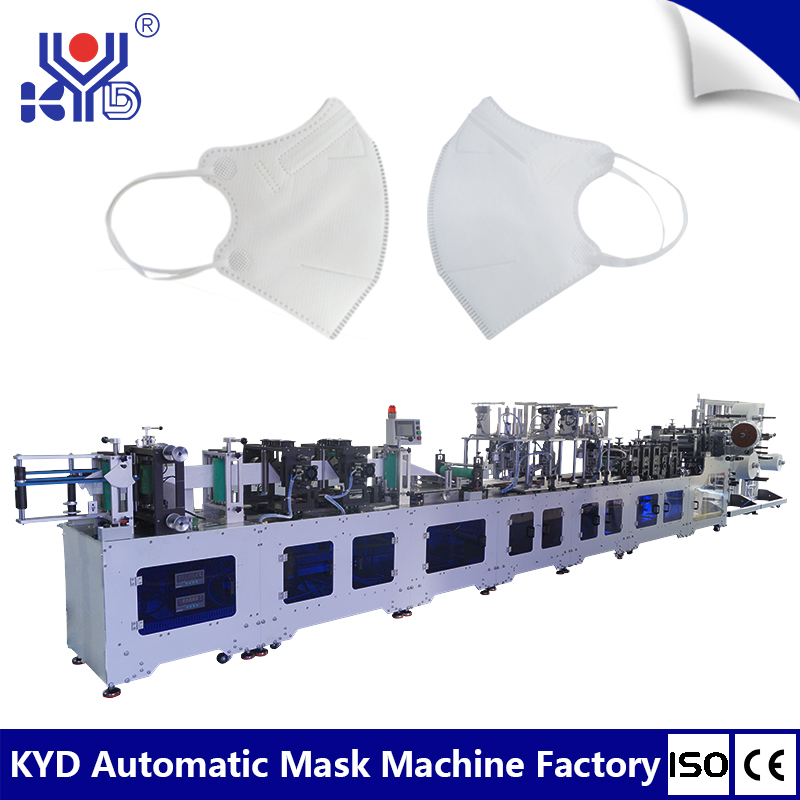
The choice of dust mask is related to the type (or nature) and concentration of the contact poison. Filtration efficiency is one of the key technical requirements for dust masks, characterizing the ability of the respirator filter element to protect against standard particulate matter.
In the national standard, the dust mask is divided into KN and KP, KN for non-oily particulate matter (suitable for protective coal dust), and KP for oily and non-oily particulate matter. Implementation of GB2626-2006 standard "respiratory protective equipment - self-priming filter type anti-particle respirator".
The protection grades of non-oily particulate matter are: KP90, KP95, KP100, and the filtration efficiencies are: 90%, 95%, and 99.97%, respectively.
The protective grades of oily particulate matter are: KN90, KN95, KN100, and the filtration efficiencies are: 90%, 95%, and 99.97%, respectively.
When purchasing dust masks, laborers should pay attention to the adaptability of dust masks in addition to protective functions. There is no one-size-fits-all design that fits everyone's face. A mask that is not suitable for wearing, the user may feel uncomfortable when wearing it, or there may be a leak. Frequently, the under cover is removed, or the airborne contaminants enter the breathing zone from the leak due to leakage, and the dust cannot be effectively protected.
In addition, dust masks with safety signs should be purchased.
Cup Mask Making Machine: Automated Solutions for Efficient Respirator Production
Automatic folding mask machine manufacturers to describe the requirements of non-woven mask